
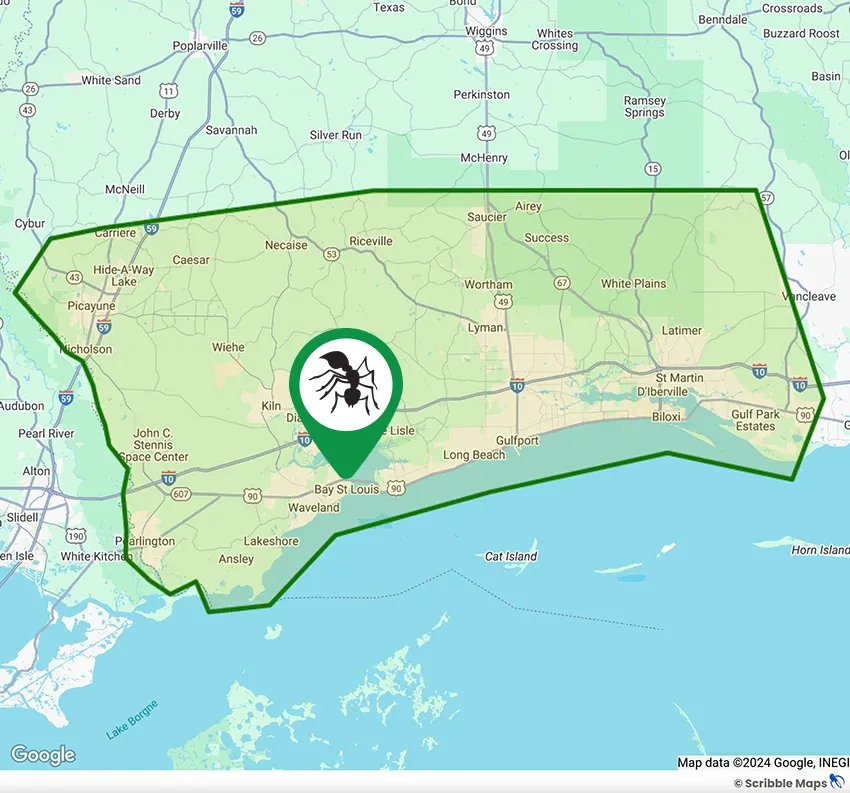
Termite Control in Bay St. Louis
Your home represents a major investment that deserves solid protection against threats you might not even see. Termites silently damage thousands of homes each year across Bay St. Louis, potentially causing expensive structural problems that could have been prevented. Whether you're a new homeowner or have lived in your property for years, protecting your investment makes financial sense.
Our certified termite specialists use proven techniques to eliminate existing colonies and establish effective barriers against future invasions. We customize treatment plans based on your specific property layout, construction type, and the severity of any current termite activity.
Here's why homeowners throughout Bay St. Louis trust Mayley's Pest Control for complete termite protection:
- Thorough inspections that identify current activity and vulnerable areas
- Customized treatment plans using industry-leading products and techniques
- Fast-acting solutions that eliminate colonies at their source
- Preventative measures that create lasting barriers against future infestations
- Comprehensive warranty coverage for your continued peace of mind
- Friendly, knowledgeable technicians who respect your property and time
Contact Mayley's Pest Control today to schedule your professional termite inspection. We'll help you protect your home's value and give you one less thing to worry about.

Additional Services in Bay St. Louis
Your Time-Saving Termite Protection Plan
When it comes to defending your property against destructive termites, you need a solution that respects your busy schedule. Our streamlined termite control process delivers comprehensive protection with minimal disruption to your demanding routine in Bay St. Louis. We understand that your time is valuable, which is why we've developed a service approach that works around your professional commitments.
Why Choose Mayley's Pest Control For Professional Termite Protection
Here's our straightforward termite control process designed for busy professionals:
- Thorough property assessment with flexible scheduling options including evenings and weekends
- Customized treatment plan based on your specific termite situation and property requirements
- Efficient implementation of advanced termite elimination strategies with minimal disruption
- Digital documentation and automated service notifications for your convenience
- Ongoing monitoring and maintenance with consistent technician assignment for reliable protection
We prioritize responsive communication and technological integration throughout the entire termite control process in Bay St. Louis. With automated scheduling systems and digital service reports, you'll stay informed without interrupting your workflow.
A Warranty You Can Trust
When it comes to protecting your home from termites, we've got you covered. Our comprehensive warranty includes regular inspections, $1 million in repair coverage, and a 4-year retreatment guarantee. Unlike competitors who may leave you hanging, we stand behind our work with a robust protection plan that gives you real peace of mind.
Our warranty isn't just a piece of paper – it's a commitment to your home's long-term health. We'll be there to catch any new termite activity early, preventing costly damage before it starts. Plus, with our clear terms and no hidden fees, you'll always know exactly what you're getting. That's the kind of straightforward protection every homeowner deserves.
Telltale Signs of Termite Infestation in Your Home
Detecting termites early can save your home from extensive structural damage. Eastern subterranean termites work silently beneath the surface, often causing thousands of dollars in damage before homeowners notice anything amiss. Spring swarm season is particularly concerning, as winged reproductives emerge looking for new nesting sites.
Watch for these warning signs in Mississippi homes:
- Discarded wings near windows and doors, especially after spring rains
- Mud tubes running along foundation walls or basement corners
- Wood that sounds hollow when tapped or appears damaged
- Tight-fitting doors or windows from warped frames
- Small piles of sawdust-like material (frass) near wooden structures
- Bubbling or uneven paint on wooden surfaces
Identifying these signs early allows for prompt treatment before the damage becomes extensive and costly. The older homes common in our area are particularly vulnerable due to their construction methods and materials.
Frequently Asked Questions
Do I need to have my home inspected regularly for termites?
Yes, regular inspections are crucial, especially if you live in an area with a high risk of termite activity. Annual inspections can help identify potential problems early and prevent extensive damage. Termite problems are often hidden from view, so professional inspections are the best way to spot an issue before it becomes severe.
How can I prevent termites from entering my home?
Here are a few preventive measures:
- Keep wood away from your foundation—don’t store firewood, mulch, or wood debris close to your house.
- Seal cracks and gaps in your foundation and around windows, doors, and pipes.
- Repair leaks promptly to reduce moisture in areas like basements and crawl spaces.
- Consider a termite barrier or treatment for additional protection, especially if you live in an area prone to termites.
How do termites enter my home?
Termites enter your home through small cracks or gaps in your foundation, walls, or around pipes and electrical lines. They can also find their way in through wood-to-ground contact or overexposed, untreated areas like wooden decks, fences, or firewood piles.
How long does it take termites to cause damage?
Termites can begin to cause significant damage surprisingly quickly. The exact timeframe depends on factors like the size of the infestation and the type of termites, but in general:
- Subterranean termites (the most common type) can cause visible damage in as little as 3 to 6 months in a heavily infested area. These termites typically start in hidden areas and work their way into the wood of your home, eating it from the inside out.
- Drywood termites may take several years to cause noticeable damage, as they usually infest smaller areas of wood and are more difficult to detect early on.
In the early stages of an infestation, termites often cause little visible damage. The wood they eat from the inside may look normal on the outside, making it easy for homeowners to miss the signs. However, as they continue to feed, structural damage can escalate quickly, compromising the integrity of your home’s framework. It’s crucial to address any signs of termites early, as even a small infestation can lead to significant damage if left untreated. Regular inspections can help catch potential problems before they become costly.
What are the most common types of termites?
There are three primary types of termites that can infest homes and properties: Subterranean, Drywood, and Formosan termites. Each type behaves differently, has unique characteristics, and requires different approaches to control and treatment. Subterranean termites are the most destructive and widespread type of termites in the United States!
What happens if I don’t treat a termite infestation?
If left untreated, termites can cause significant structural damage that could lead to expensive repairs. Over time, termites can weaken beams, flooring, and even the foundation of your home. Early intervention is key to preventing costly damage.
How can I tell if it’s a carpenter ant or a termite?
- Body Shape: Termites have broad, straight bodies with no defined waist; carpenter ants have a narrow, pinched waist.
- Antennae: Termites have straight antennae; carpenter ants have bent (“elbowed”) antennae.
- Color: Termites are pale or light-colored; carpenter ants are dark brown, black, or reddish.
- Wood Damage: Termites eat wood, leaving rough, mud-lined tunnels and mud tubes; carpenter ants tunnel into wood, leaving smooth galleries and piles of sawdust.
- Wings: Termite wings are equal in length and longer than their bodies; carpenter ants have larger front wings and smaller hind wings.
Still unsure? Both Carpenter ants and Termites are dangerous wood-destroying insects!
Please call us as soon as possible to schedule an inspection.